

02 Nov Can Diabetic Retinopathy Be Reversed? What Patients Need to Know
If you have been told you have diabetic retinopathy, one of the first questions you may ask is whether it can be reversed. The honest answer is nuanced. There is currently no treatment that fully undoes all the damage diabetic retinopathy can cause. However, treatment can often slow or stop its progression, and in some situations, such as when swelling in the retina is treated, vision may improve. Early stages may remain stable for years with good diabetes management and regular monitoring. Outcomes vary from person to person.
What Is Diabetic Retinopathy?
Diabetic retinopathy develops when high blood sugar damages the tiny blood vessels in the retina, the light sensitive tissue at the back of the eye. These vessels can leak fluid or blood, become blocked, or, in more advanced stages, be replaced by fragile new vessels that bleed easily. The condition is often described in two broad stages. Nonproliferative diabetic retinopathy is the earlier stage. Proliferative diabetic retinopathy is the more advanced stage, when abnormal new blood vessels begin to grow.
What Can and Cannot Change
It helps to separate the different ways retinopathy affects the eye. Some changes, such as fluid buildup in the macula (known as diabetic macular edema), may respond to treatment, and vision may improve as swelling decreases. Other changes, such as scarring or loss of retinal cells, are usually permanent. For many patients, the realistic goal of treatment is to stabilize the retina and protect the vision that remains.
Treatment Options a Retina Specialist May Discuss
When treatment is needed, it is usually provided by a retina specialist. Depending on the stage and your individual situation, options may include:
- Anti VEGF injections. These medications are injected into the eye to help reduce swelling and slow the growth of abnormal blood vessels. Treatment often involves a series of injections.
- Laser treatment. Laser procedures can help seal leaking vessels or shrink abnormal ones.
- Steroid medications. In some cases, steroid injections or implants may be used to reduce swelling.
- Vitrectomy. For advanced cases involving bleeding or scar tissue, surgery to remove the gel inside the eye may be considered.
Each option has potential benefits and risks, and your specialist can explain what may be appropriate for you.
How Everyday Diabetes Management Helps
Major long term studies have shown that keeping blood sugar closer to target levels lowers the risk of retinopathy developing or worsening. Managing blood pressure and cholesterol also matters. Working closely with your primary care provider or endocrinologist on these goals is one of the most important things you can do for your eyes. If your diabetes treatment changes significantly, let your eye doctor know, since rapid improvements in blood sugar can occasionally cause temporary changes in the retina that are worth monitoring.
Why Early Detection Matters
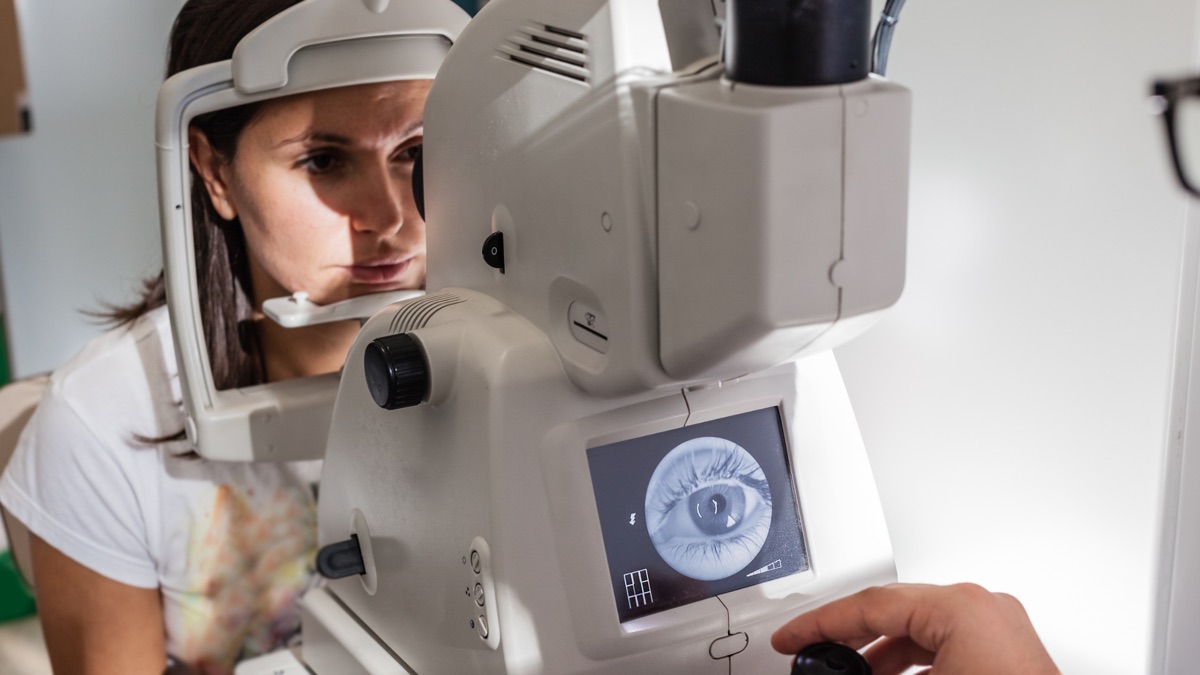
Diabetic retinopathy often causes no symptoms in its early stages. By the time vision changes are noticeable, the condition may be more advanced. A diabetic eye exam at Total Eye Care allows your eye doctor to look closely at the retina, track changes over time, and refer you for treatment when needed. Many people with diabetes are advised to have an eye exam every year, though your doctor may recommend a different schedule based on your results.
Between exams, contact your eye doctor promptly if you notice new floaters, blurry or fluctuating vision, dark or empty areas in your vision, or sudden vision loss.
Frequently Asked Questions
Can diabetic retinopathy go away on its own?
Retinopathy does not typically resolve on its own. Mild changes may stay stable with good diabetes management, but regular monitoring is still important.
Can better blood sugar control undo existing damage?
Improved control can lower the risk of progression, but it does not usually reverse damage that has already occurred.
Is vision loss from diabetic retinopathy permanent?
Some vision loss, particularly from swelling, may improve with treatment. Loss caused by scarring or advanced disease is often permanent, which is why early detection is so valuable.
Does Total Eye Care treat diabetic retinopathy?
Total Eye Care provides diabetic eye exams and retinal evaluations to help detect and monitor diabetic eye disease. When specialized treatment is needed, our doctors can refer you to a retina specialist.
Schedule Your Diabetic Eye Exam at Total Eye Care in Billings
Due for your yearly diabetic eye exam? Schedule a diabetic eye exam online or call (406) 656‑2898. If you notice sudden floaters, dark areas, or vision loss, call us right away; same day appointments and walk ins are welcome. For severe symptoms after hours, seek emergency care.
Sources
Diabetic Retinopathy (National Eye Institute), What Is Diabetic Retinopathy? (American Academy of Ophthalmology), Diabetic Eye Disease (National Institute of Diabetes and Digestive and Kidney Diseases), DCCT and EDIC: The Diabetes Control and Complications Trial and Follow Up Study (National Institute of Diabetes and Digestive and Kidney Diseases)