

05 Jan How a Cataract Evaluation Helps Determine the Right Time for Surgery
Cataracts are a common part of aging, but deciding when to move forward with cataract surgery is not based on lens clouding alone. The right timing depends on how much your vision changes are affecting your everyday life, along with what your eye doctor sees during a comprehensive evaluation.
At Total Eye Care, a cataract evaluation combines a full clinical exam with advanced diagnostic testing to assess lens opacity, overall eye health, and how your vision is impacting daily activities. This process helps determine whether cataract surgery may be appropriate now, or whether monitoring is the safer and more practical option.
Why Cataract Surgery Timing Is Not “One-Size-Fits-All”
Many patients assume cataract surgery is recommended as soon as cataracts are diagnosed. In reality, cataracts can progress slowly, and not everyone needs surgery right away.
Instead, your provider looks at two key factors:
- Functional vision (how well you can do day-to-day tasks)
- Clinical findings (what the exam and imaging show)
For example, some patients start to notice problems when glare and halos make nighttime driving difficult. Others may struggle with reading, working, or hobbies like fishing or hunting, especially in bright outdoor light.
What Is the “Cataract Threshold”?
A helpful way to think about cataract surgery timing is the “cataract threshold.” This is the point where cataracts begin interfering enough with your quality of life that surgery becomes a reasonable next step.
This threshold is different for every patient.
Someone who drives at night frequently may reach that point earlier than someone who rarely drives after dark. A patient who reads small print all day for work may notice limitations sooner than someone with a less visually demanding routine.
A cataract evaluation helps your provider document both your symptoms and the medical findings needed to support a safe, appropriate recommendation.
What Happens During a Cataract Evaluation?
A cataract evaluation at Total Eye Care follows a structured process designed to support accurate diagnosis, patient education, and coordinated care.
1. Patient History and Lifestyle Discussion
The visit begins with a conversation about what you are noticing and how your vision is affecting your daily activities.
Your care team may ask about:
- Glare or halos around lights
- Difficulty driving, especially at night
- Trouble reading or seeing small print
- Changes in color perception
- Eye strain or headaches
- Reduced confidence with daily tasks
This part of the evaluation is important because cataract surgery is often based on how symptoms are affecting your life, not just what the cataract looks like under the microscope.
2. Pre-Exam Diagnostic Testing
Before the doctor begins the full eye exam, diagnostic testing helps measure your current vision and evaluate overall eye health.
This may include:
Visual Acuity Testing
Measures how clearly you can see at distance and near, often using an eye chart.
Optomap Retinal Imaging
Optomap captures a wide-field image of the retina in a fraction of a second. This can help your provider evaluate the back of the eye and look for other conditions that could be affecting vision.
It is important to note that cataracts are not the only cause of blurry vision. In some cases, underlying retinal conditions such as macular degeneration can contribute to symptoms. Retinal imaging helps your provider rule out other concerns.
Visual Field Testing (When Needed)
Measures peripheral vision. This test is not required for every cataract evaluation, but it may be recommended depending on your symptoms and clinical findings.
3. Comprehensive Eye Examination
During the clinical exam, your doctor will assess the cataract and evaluate the health of the entire eye.
This includes:
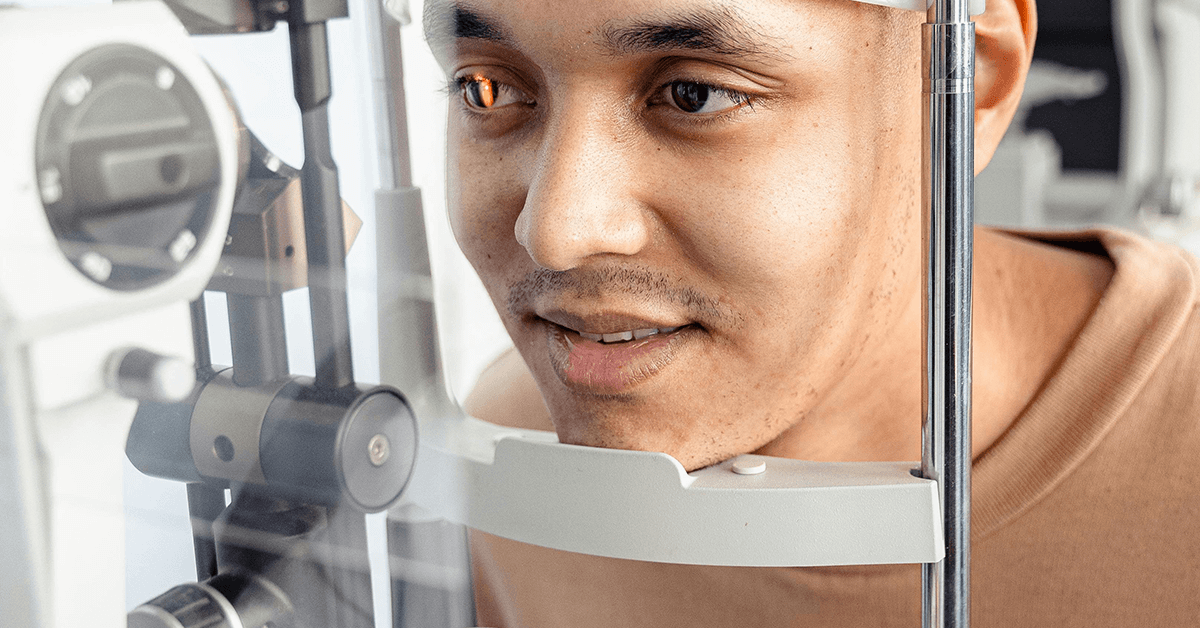
- Slit lamp examination to evaluate the lens and grade cataract severity
- Refraction to determine whether an updated glasses prescription could improve vision
- Eye muscle and alignment assessment as needed
- Additional testing, depending on the patient’s health history and symptoms
In many cases, your doctor will discuss whether glasses may still provide enough improvement for now, or whether the cataract is limiting vision beyond what a new prescription can correct.
4. Exam Summary and Next-Step Planning
At the end of the visit, your provider will review your results, explain the findings in plain language, and outline next steps.
Depending on your evaluation, recommendations may include:
- Monitoring the cataract over time
- Updating your glasses or contact lens prescription
- Treating related issues such as dry eye
- Referring you for a surgical consultation if cataracts appear to be significantly impacting daily function
If surgery is recommended, Total Eye Care helps coordinate the referral process so you understand the diagnosis and what to expect before meeting with a surgeon.
Patient Comfort and Convenience During Cataract Testing
Many patients delay cataract evaluations because they worry about discomfort, time, or how long the visit will take. Total Eye Care supports a patient-first experience by offering technology and workflows designed to reduce stress while still providing thorough medical care.
Dilation-Free Imaging Options (When Appropriate)
Some diagnostic imaging can be performed without traditional dilation drops, depending on your needs and the doctor’s recommendation. For many patients, this helps reduce prolonged light sensitivity after the appointment.
Flexible Scheduling
If you have noticed a sudden change in vision, it is worth scheduling an exam sooner rather than later. Total Eye Care offers appointment options that help patients get evaluated promptly.
Gentle Eye Pressure Screening
Intraocular pressure screening may be performed using modern tools designed to improve patient comfort. Your provider will choose the best method based on your exam needs.
Why a Cataract Evaluation Matters Before Surgery
A cataract evaluation does more than confirm that cataracts exist. It helps your provider determine:
- Whether cataracts are the primary cause of your vision changes
- Whether other eye conditions are contributing to symptoms
- Whether surgery is likely to improve your functional vision
- Whether monitoring is the better choice right now
This is one of the most important steps in making a safe, informed decision about cataract surgery timing.
Conclusion: A Cataract Evaluation Is a Key Step in Protecting Your Vision
If you are noticing glare, blurry vision, or increasing difficulty with daily tasks, a cataract evaluation can provide clarity and direction.
At Total Eye Care, cataract evaluations combine advanced diagnostics with a comprehensive exam to help determine whether cataract surgery may be appropriate, or whether your vision can be managed through other options for now.
If you have concerns about cataracts, schedule an appointment so your provider can guide you through the next step with confidence.
Frequently Asked Questions About Cataract Evaluations
How do I know if it is time for cataract surgery?
Cataract surgery is often recommended when cataracts begin interfering with daily activities such as driving at night, reading, working, or hobbies. Your eye doctor will also evaluate the cataract and your overall eye health before making a recommendation.
Can cataracts be treated without surgery?
In early stages, cataract symptoms may be managed with updated glasses, improved lighting, and other visual adjustments. However, cataracts typically progress over time, and surgery is the only treatment that removes the cloudy lens.
Does a cataract evaluation always require dilation?
Not always. Some imaging and screening can be performed without dilation in many cases. However, your provider may still recommend dilation depending on your symptoms, eye health, and medical history.
Will insurance cover a cataract evaluation?
Most medical insurance plans and Medicare typically cover cataract evaluations because they are considered medical eye exams. Coverage can vary by plan, so your care team can help you understand your benefits.
Can I get a same-day appointment for a cataract check?
Same-day and walk-in availability can vary based on scheduling. If you are experiencing sudden changes in vision, it is a good idea to call as soon as possible so the office can recommend the best appointment option.
What happens if my cataract is not ready for surgery yet?
If your cataract is mild or not significantly affecting your daily life, your provider may recommend monitoring it and scheduling follow-up exams. Many patients stay in this stage for months or years.
This content is for general informational purposes only and does not replace medical advice. A licensed eye care provider can help determine the right evaluation and treatment plan for your needs.