

10 Nov Cataract Evaluation Guide: Symptoms, Timing, and Next Steps for Surgery
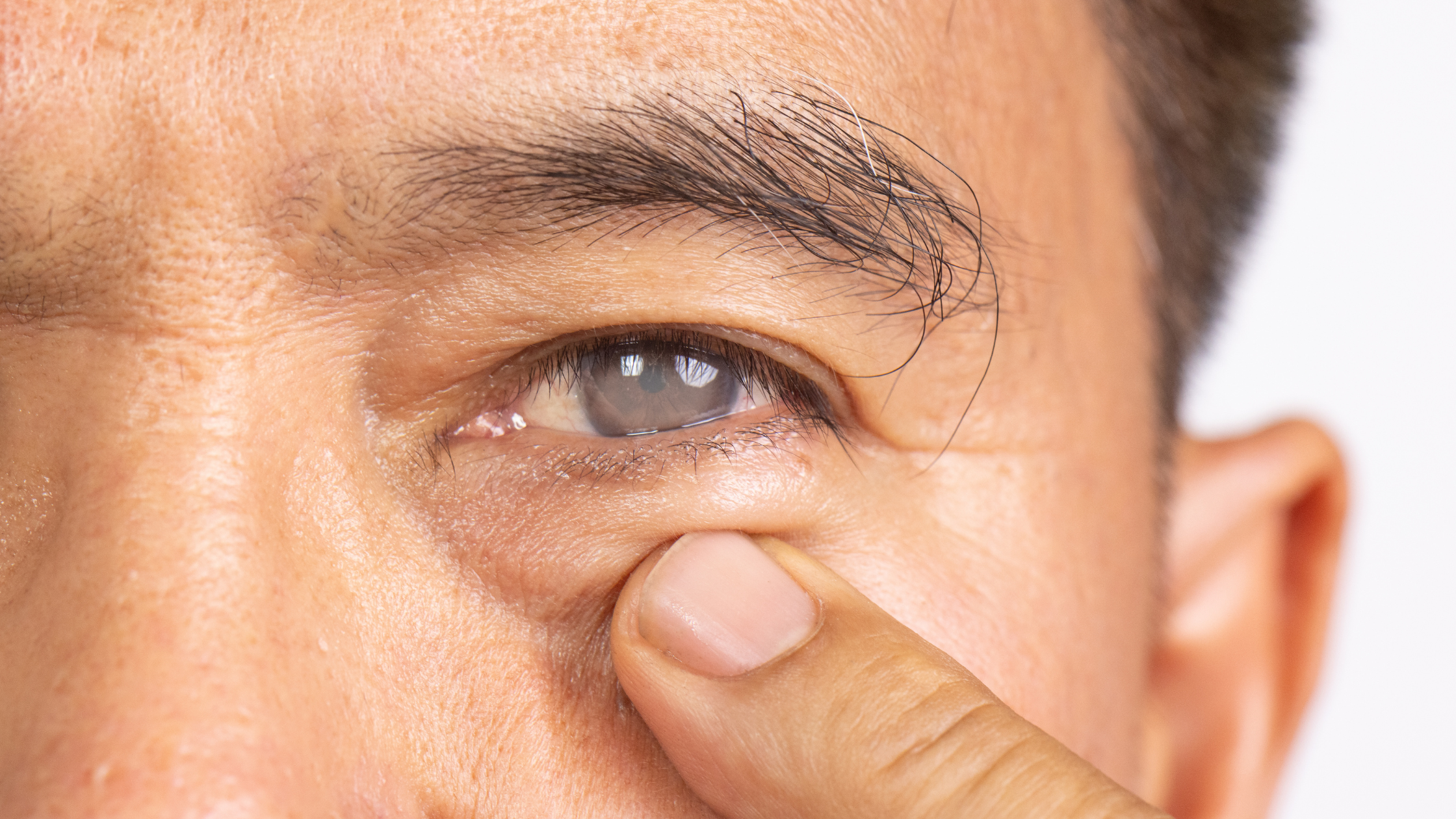
Cataracts are common and treatable. A cataract forms when the clear lens inside your eye becomes cloudy. This can make vision blurry, dim, or create glare. A cataract evaluation helps you learn how advanced the clouding is and what to do next. The goal is simple: keep you safe, comfortable, and seeing your best.
Signs That Point to Cataracts
You may notice one or more of these changes:
- Blurry or cloudy vision
- Halos or glare around lights, especially at night
- Trouble driving after dark
- Colors that look faded
- Double vision in one eye
- Frequent changes in your glasses prescription
If these sound familiar, it is time to get checked. For more background, read Cataracts: Symptoms, Causes, and Treatment Options on our blog:
When to Schedule an Evaluation
Do not wait for vision to get very poor. Schedule an evaluation when cataract symptoms begin to affect daily tasks. Common tipping points include:
- Night driving feels unsafe
- Reading or computer work is tiring
- Outdoor glare makes activities less enjoyable
- Your prescription keeps changing but vision is still not clear
Catching changes early helps you plan calmly and avoid frustration.
What to Expect at Your Visit
A cataract evaluation is careful and comfortable. It usually includes:
- Vision test: We check how clearly you see at distance and near.
- Refraction: We measure your best prescription to see how much glasses can help.
- Slit lamp exam: A microscope lets us see the lens and confirm cataracts.
- Pupil dilation: We look at the retina to rule out other causes of blurry vision.
- Glare and contrast tests: These show how light scatter affects your daily life.
- Retinal imaging or OCT when needed: These pictures help us plan the safest path.
If night glare is a major concern, you may also like our article Blurry Vision or Halos at Night? How to Know If It’s Cataracts.
Are You Ready for Surgery?
Not everyone needs surgery right away. Many people do well for a time with better lighting, updated lenses, or anti-glare coatings. Surgery becomes the best choice when cataracts limit safety or the things you love to do.
If surgery is right for you, here is what happens next:
- Education: We explain lens options, including choices that can reduce glasses use.
- Co-management with a surgeon: We coordinate a trusted surgical referral and guide you through each step.
- Pre-op plan: We review drops, timing, and how to prepare.
- Post-op care: Follow-up visits check healing and fine-tune your vision.
Cataract surgery is one of the most common and successful procedures in medicine. Most people notice clearer vision soon after the eye heals.
Take the Next Step
If you are seeing glare, halos, or blur, a simple evaluation can give you answers and a clear plan. Our team will check your eyes, explain your options, and help you choose the right timing for your life.
Schedule your cataract evaluation today and take the first step toward safer driving, easier reading, and sharper color.