

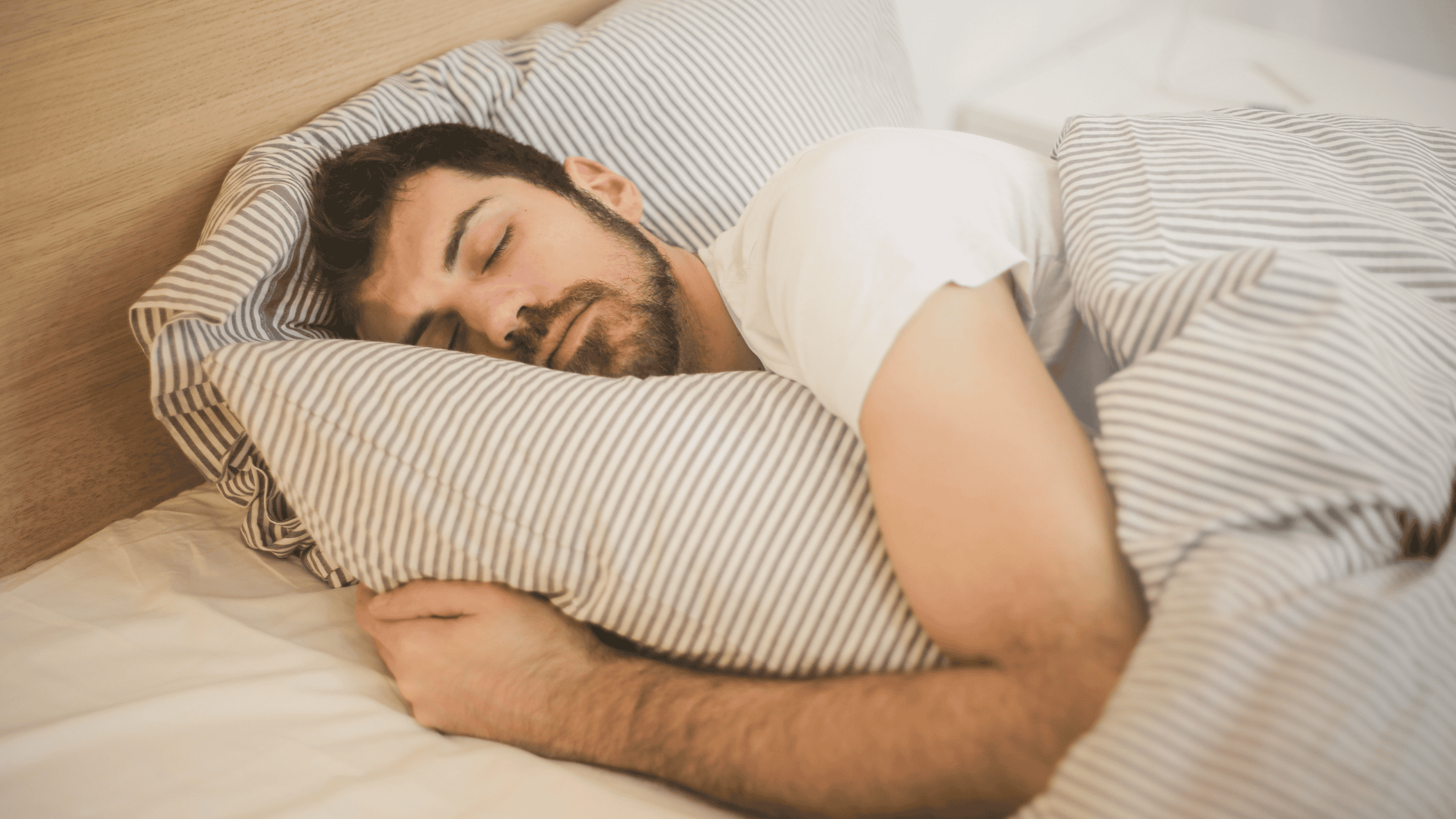
12 Oct Is It Safe to Sleep in Contact Lenses?
The short answer: For most people, no. Unless your eye doctor has prescribed lenses approved for overnight wear, sleeping in contacts raises your risk of a serious eye infection. The CDC reports that sleeping in contact lenses increases the chance of an eye infection by 6 to 8 times. Even a short nap counts.
Key Takeaways
- Sleeping in contacts cuts oxygen to the cornea and gives bacteria more time to cause trouble.
- If you fall asleep in your lenses, wait until they move freely, then remove them gently and wear glasses for the day.
- Pain, redness, light sensitivity, or blurry vision after sleeping in contacts calls for a same day exam.
It happens to almost every contact lens wearer at least once. You sit down after a long day, the couch is comfortable, and suddenly it is morning. Or you doze off on the flight home for the holidays. Your eyes feel dry and scratchy, and you wonder how much it really matters. Here is what happens when you sleep in contacts, what to do if you already did, and how to make it less likely during busy travel weeks like Thanksgiving.
What Happens to Your Eyes When You Sleep in Contacts?
Your cornea, the clear front window of the eye, has no blood vessels of its own. It gets most of its oxygen straight from the air. With your eyes open, oxygen reaches the cornea easily, even through a modern lens. With your eyes closed, that supply drops. Put a contact lens on top, and the cornea gets even less.
A cornea that is short on oxygen can swell slightly and become more vulnerable. Meanwhile, a lens that stays on the eye for hours can hold bacteria against the surface. Blinking, which normally helps wash germs away, stops during sleep, and tear flow slows down. Together, these raise the risk of microbial keratitis, an infection of the cornea that can leave a scar and, in serious cases, affect vision permanently.
Is Sleeping in Contacts Once a Big Deal?
One night does not guarantee a problem, and many people wake up with nothing worse than dry, irritated eyes. The risk is still real every time, and infections can start after a single night. The habit is the bigger concern, since every night or nap in lenses adds to your overall risk.
Are Extended Wear Contacts Safe to Sleep In?
Some lenses are approved by the FDA for overnight or extended wear. They are made from materials that let more oxygen reach the cornea. Even so, sleeping in them carries more infection risk than removing lenses every night, so they suit some people better than others.
The rule is simple: only sleep in contacts if your eye doctor has prescribed lenses specifically for overnight wear and confirmed how long you can wear them. Daily disposables and standard two week or monthly lenses are not designed for sleep.
What Should You Do If You Fell Asleep With Your Contacts In?
Stay calm and go slowly. A lens that has dried onto the eye can stick, and pulling it off too fast can scratch the cornea.
- Blink several times and look around to get your tears moving.
- Add a few rewetting drops or sterile saline made for contact lenses.
- Wait a few minutes until the lens slides freely when you blink.
- Remove the lens gently. If it will not budge, add more drops and wait again instead of pinching harder.
- Throw away daily lenses. Clean and disinfect reusable lenses, or replace them if they still feel uncomfortable.
- Wear your glasses for the rest of the day so your corneas can recover.
Then pay attention to how your eyes feel over the next 24 hours. Some dryness and mild blur are common at first, and our article on whether dry eyes can cause blurry vision explains why.
When Should You See an Eye Doctor After Sleeping in Contacts?
Get your eyes checked the same day if you notice any of these after sleeping in lenses:
- Eye pain that gets worse instead of better
- Redness that does not fade within a few hours
- Sensitivity to light
- Blurry vision that does not clear after you remove the lens
- Discharge, tearing that will not stop, or a feeling that something is stuck in your eye
- A white or gray spot on the clear front surface of your eye
Keep your lenses out until your eyes feel completely normal, and do not use leftover antibiotic drops from a past infection. Corneal infections can worsen quickly, so prompt care matters. Total EyeCare offers same day appointments and walk ins for exactly this kind of problem.
How Can You Avoid Sleeping in Contacts During Holiday Travel?
Thanksgiving week brings early flights, long drives, and late nights at a relative’s house, which is when lenses tend to stay in too long. A few habits help:
- Keep a lens case, solution, and your glasses in your carry on bag, not your checked luggage
- Take your lenses out before a flight or long car ride if there is any chance you will doze off
- Use rewetting drops on planes, since cabin air is very dry
- Pack an extra pair of daily lenses in case one tears or gets lost
- Never rinse lenses or your case with tap water, and never store lenses in water
- Set a phone reminder to remove your contacts on nights you expect to stay up late
If you find yourself sleeping in contacts often, your current lenses may not match your routine. A contact lens exam is a good time to talk through options, such as daily disposables, that fit your life better. For a side by side look at your choices, see our guide to contacts, glasses, and LASIK.
Frequently Asked Questions
Is it okay to nap in contacts for 20 minutes?
It is still not recommended. Even short naps reduce oxygen to the cornea and raise infection risk. If you plan to rest, take your lenses out first.
Why are my eyes red after sleeping in contacts?
Mild redness that fades within a few hours is common and usually comes from dryness and low oxygen. Redness with pain, light sensitivity, or blurry vision can signal an infection and should be checked the same day.
Can sleeping in contacts cause blindness?
Serious infections can scar the cornea and permanently affect vision, though this is uncommon. Getting prompt treatment greatly lowers that risk.
Are daily contacts safer to sleep in than monthly lenses?
No. Daily disposable lenses are not approved for sleep. Their advantage is that you start every day with a fresh, clean lens.
Schedule Your Visit at Total EyeCare in Billings
Ready for lenses that fit your routine? Schedule a contact lens exam online or call (406) 656-2898. If your eyes hurt after sleeping in contacts, same day appointments and walk ins are welcome.
Sources: Centers for Disease Control and Prevention; U.S. Food and Drug Administration; American Optometric Association.