

08 Dec 7 Common Causes of Dry Eye During Cold Montana Winters
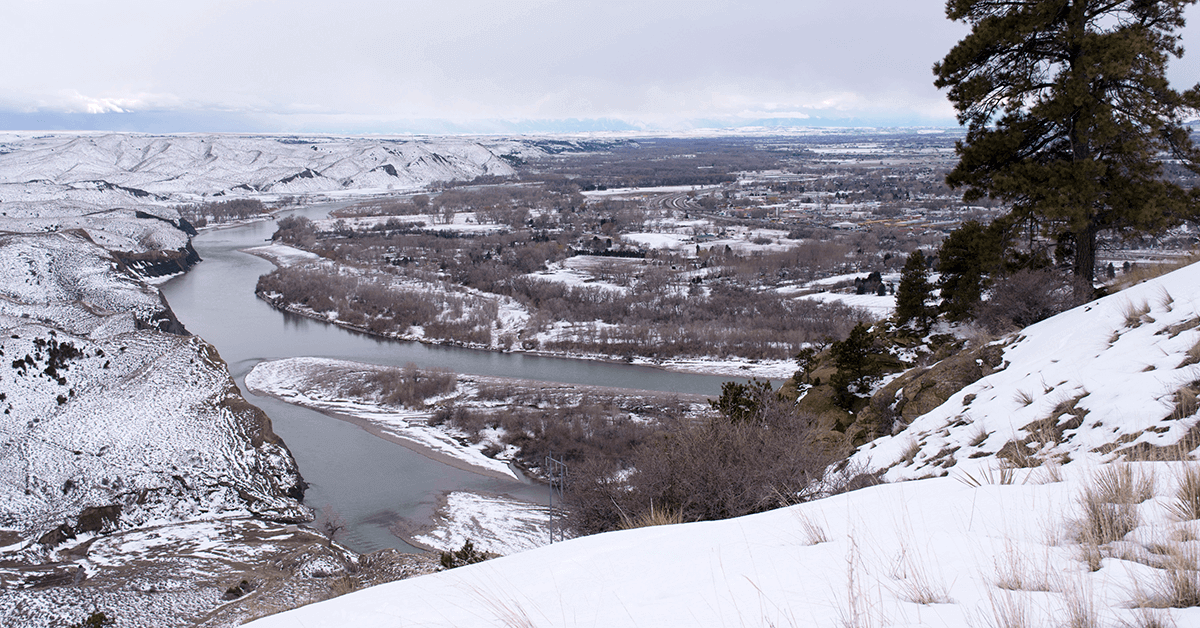
Montana winters are known for their beauty, but cold temperatures, wind, and low humidity can be tough on your eyes. During winter in Billings, dry eye symptoms often become more noticeable due to increased tear evaporation and environmental stress on the ocular surface.
Understanding what contributes to winter dry eye can help you take practical steps to improve comfort and protect your vision throughout the season.
1. Low Outdoor Humidity
Cold air naturally holds less moisture than warm air. In Billings’ semi-arid climate, winter humidity levels often drop below what is comfortable for the eyes. When humidity is low, tears evaporate more quickly, making it harder for your tear film to remain stable.
2. Cold, Windy Conditions
Winter winds can accelerate moisture loss from the eyes. Even short exposure outdoors can disrupt the protective tear layer, leading to sensations of burning, grittiness, or irritation.
3. Indoor Heating Systems
Furnaces, space heaters, and fireplaces significantly reduce indoor moisture levels. Heated air pulls moisture from the surrounding environment, including the eyes, which can worsen dryness during prolonged indoor time.
4. Forced Air From Vents
Airflow directed toward your face from car heaters or office vents can intensify dry eye symptoms. Constant exposure to moving air increases tear evaporation and may irritate the eye surface.
5. Increased Screen Time Indoors
Shorter days and colder weather often lead to more time on digital devices. Extended screen use reduces your natural blink rate, which limits how often your eyes are refreshed with tears and oils needed for comfort.
6. High Altitude and Sun Reflection
Billings’ elevation contributes to drier air year-round. During winter, snow and ice reflect sunlight and UV rays, which can increase surface irritation and strain on already dry eyes.
7. Meibomian Gland Dysfunction
Cold temperatures can thicken the oils produced by the meibomian glands in your eyelids. When these glands do not release enough oil, tears evaporate too quickly. This condition, known as evaporative dry eye, may cause eyes to feel dry even if they water excessively.
How to Support Eye Comfort During Winter
At Total Eye Care Billings, dry eye care focuses on identifying contributing factors and supporting long-term comfort, not just temporary relief. Our comfort-first approach includes customized care plans and access to advanced dry eye treatments.
Your care may include:
- Comprehensive eye evaluation and imaging to rule out underlying conditions that can worsen dryness, including retinal concerns
- Guidance on indoor humidity levels to help maintain a more eye-friendly environment
- Eyelid hygiene routines and warm compresses to support healthy oil gland function
With proper evaluation and care, many patients experience improved comfort throughout Montana’s winter months.
Next Step: Experiencing ongoing eye dryness or irritation this winter?
Schedule a dry eye evaluation with our Billings team to discuss personalized treatment options.
Disclaimer: This content is for general educational purposes only and does not replace professional eye care. Individual symptoms and treatment recommendations vary.