
01 Apr 5 Things a Comprehensive Eye Exam in Billings, MT Can Reveal About Your Health
Most people schedule an eye exam when their vision changes or when it has been a while since their last checkup. But a comprehensive eye exam does much more than update your prescription.
Your eyes are one of the few places in the body where a doctor can look directly at blood vessels, nerves, and tissue without surgery or invasive testing. That makes a routine eye exam one of the most valuable health screenings you can have.
Here are five things a comprehensive eye exam in Billings, MT can reveal about your overall health.
1. High Blood Pressure
Hypertension affects millions of Americans, and many people do not know they have it until it causes a serious health event.
During a comprehensive eye exam, your eye doctor can examine the blood vessels inside your eye. When blood pressure is elevated, it can cause visible changes to those vessels, including narrowing or leaking of blood vessels, or swelling of the optic nerve.
These changes can appear in the eye before a person ever receives a diagnosis from their primary care doctor. Catching them early gives you the opportunity to take action before the condition causes lasting damage.
2. Diabetes and Diabetic Eye Disease
Diabetes is another condition that often shows signs in the eyes before symptoms appear elsewhere in the body.
High blood sugar levels damage the small blood vessels that supply the retina. This is called diabetic retinopathy, and in its early stages, it produces no pain and no noticeable vision changes. Left undetected and untreated, it can lead to serious vision loss.
A comprehensive eye exam that includes retinal imaging can identify the earliest signs of diabetic eye disease. For patients in Billings who have been diagnosed with diabetes or who are at risk, annual diabetic eye exams are one of the most important steps you can take to protect your vision and your overall health.
3. High Cholesterol
Elevated cholesterol levels can leave deposits in the blood vessels of the eye that are visible during an examination. These deposits, sometimes appearing as a yellowish ring around the cornea or as changes to the retinal blood vessels, can be an early indicator of cardiovascular risk.
Many patients who have been told about these findings during an eye exam have gone on to receive a cholesterol diagnosis from their physician. An eye exam will not replace a blood test, but it can prompt the right conversations with your healthcare team.
4. Glaucoma
Glaucoma is one of the leading causes of irreversible blindness in the United States. What makes it particularly dangerous is that it often develops with no symptoms at all. Vision loss from glaucoma happens gradually, and by the time most people notice a change, significant damage has already occurred.
A comprehensive eye exam measures intraocular pressure and evaluates the optic nerve for signs of damage. Early detection is the only way to prevent the progression of glaucoma, because the vision that is lost cannot be restored.
At Total Eye Care in Billings, we use advanced diagnostic tools to screen for glaucoma as part of every comprehensive exam, including technology that eliminates the traditional air puff test that many patients dread.
5. Autoimmune and Neurological Conditions
Several autoimmune and neurological conditions can first present with changes in the eye. Multiple sclerosis, lupus, rheumatoid arthritis, and thyroid disease are among the conditions that can cause inflammation, dryness, or other visible changes to the eye and surrounding tissue.
In some cases, patients have been referred to specialists after an eye doctor identified something unexpected during a routine visit. The eyes offer a unique window into what is happening throughout the body, and a thorough examination takes advantage of that.
What to Expect During a Comprehensive Eye Exam in Billings, MT
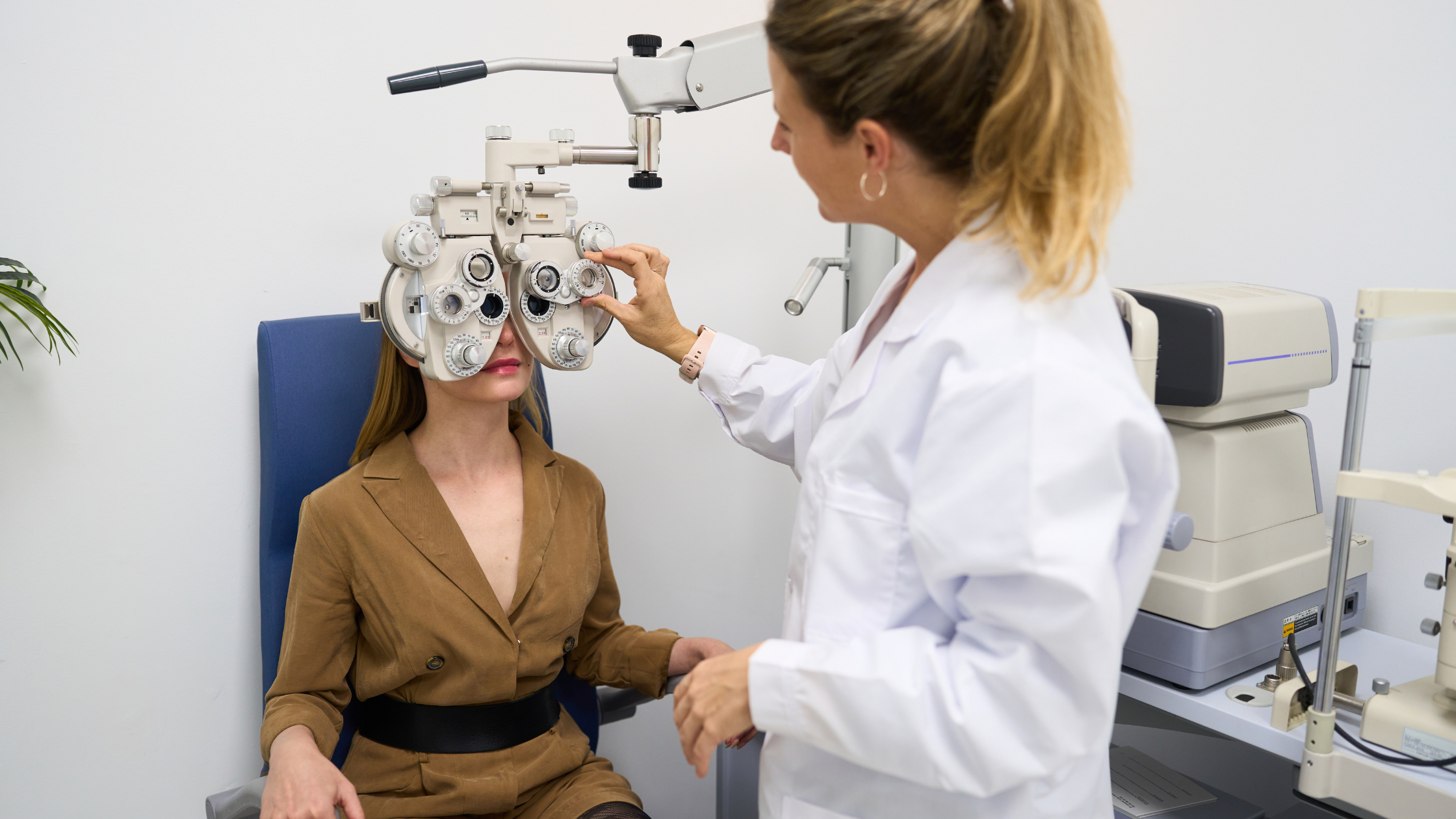
A comprehensive eye exam at Total Eye Care is designed to be thorough, comfortable, and efficient. Our four-step process covers everything from health history and pre-exam testing to a full clinical examination and a detailed summary of your results.
We offer Optomap retinal imaging as a comfortable, dilation-free way to examine the back of your eye. The scan takes less than a quarter of a second and provides a wide-field view that supports early detection of the conditions described above.
Same-day appointments are available, and walk-ins are always welcome.
How Often Should You Schedule a Comprehensive Eye Exam?
For most adults, a comprehensive eye exam once a year is recommended. If you have diabetes, a family history of glaucoma, or other risk factors, your eye doctor may recommend more frequent visits.
Even if your vision feels fine, many of the conditions that can be detected during an eye exam develop without noticeable symptoms. Regular exams are the only reliable way to catch them early.
Schedule Your Comprehensive Eye Exam in Billings, MT
Your eyes can tell you and your doctor a great deal about your health. A yearly comprehensive eye exam is one of the simplest and most effective ways to stay ahead of conditions that, left undetected, can have serious consequences.
If it has been more than a year since your last exam, or if you have never had a comprehensive eye exam, now is a good time to schedule one.
Schedule your appointment today at Total Eye Care, located at 795 King Park Drive inside Eyemart in Billings, MT.