
02 Feb How Spring Allergies Can Affect Your Eyes and Vision
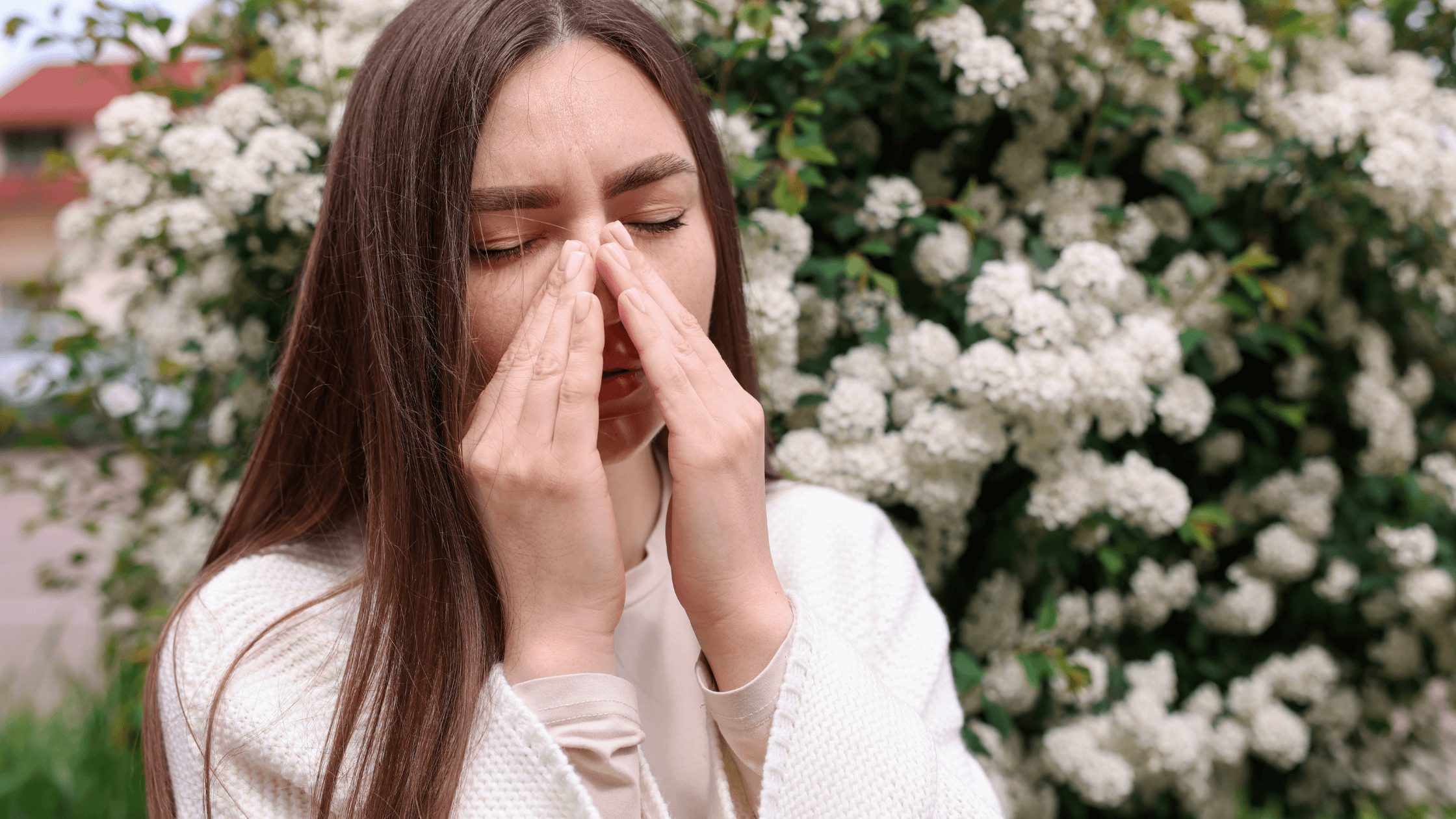
Spring is a beautiful time of year. Flowers bloom, trees grow new leaves, and people spend more time outdoors. But for many people, spring also brings allergy season. Pollen in the air can trigger symptoms that affect your nose, throat, and even your eyes.
Spring allergies can make your eyes feel uncomfortable and can sometimes affect how well you see. Understanding how allergies affect your eyes can help you manage symptoms and protect your vision.
Why Spring Allergies Affect the Eyes
Spring allergies are often caused by pollen from trees, grass, and other plants. When pollen enters the eyes, the body reacts by releasing chemicals called histamines. This reaction causes inflammation and irritation.
Because the eyes are exposed to the air around us, they are often one of the first places where allergy symptoms appear.
Common eye allergy symptoms include:
- Itchy eyes
- Redness
- Watery eyes
- Burning or stinging sensations
- Puffy eyelids
- Blurry vision
These symptoms can make everyday activities like reading, driving, or working on a computer more difficult.
How Allergies Can Affect Your Vision
When your eyes are irritated, your vision may not feel as clear as usual. Excess tearing, swelling, and inflammation can temporarily blur your vision.
Many people also rub their eyes when allergies flare up. While this may seem helpful at the moment, rubbing your eyes can actually make irritation worse and may increase inflammation.
Contact lens wearers may notice even more discomfort during allergy season. Pollen and other allergens can stick to contact lenses and cause dryness or irritation throughout the day.
If your eyes feel especially irritated during allergy season, switching to glasses temporarily may help reduce discomfort.
Tips for Managing Eye Allergy Symptoms
While you cannot completely avoid pollen during spring, there are steps you can take to reduce eye irritation.
Some helpful tips include:
- Avoid rubbing your eyes
- Wash your hands frequently
- Use artificial tears to help flush out allergens
- Wear sunglasses outdoors to help block pollen
- Keep windows closed on high pollen days
If symptoms become severe or last for a long time, it may be helpful to speak with an eye care professional.
When to See an Eye Doctor
Allergy symptoms can sometimes look similar to other eye conditions. If you are experiencing ongoing redness, pain, or changes in vision, it is important to have your eyes examined.
An eye doctor can determine whether your symptoms are caused by allergies or another condition that may require treatment.
Regular eye exams also help ensure that your eyes remain healthy throughout allergy season and beyond.
Protect Your Eyes This Spring
Spring allergies can make your eyes uncomfortable, but the right care can help you manage symptoms and protect your vision.
If your eyes feel irritated, watery, or sensitive this season, it may be time to schedule an eye exam.
Our team at Total Eye Care is here to help you find relief and keep your eyes healthy.
Schedule your eye exam today: https://totaleyecarebillings.com/contact/